How is Artificial Intelligence Changing Nursing in 2026?
The Shift from Manual Labor to Intelligent Oversight
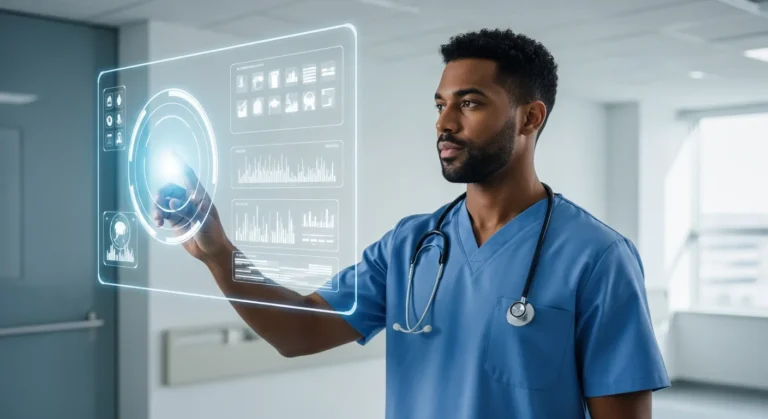
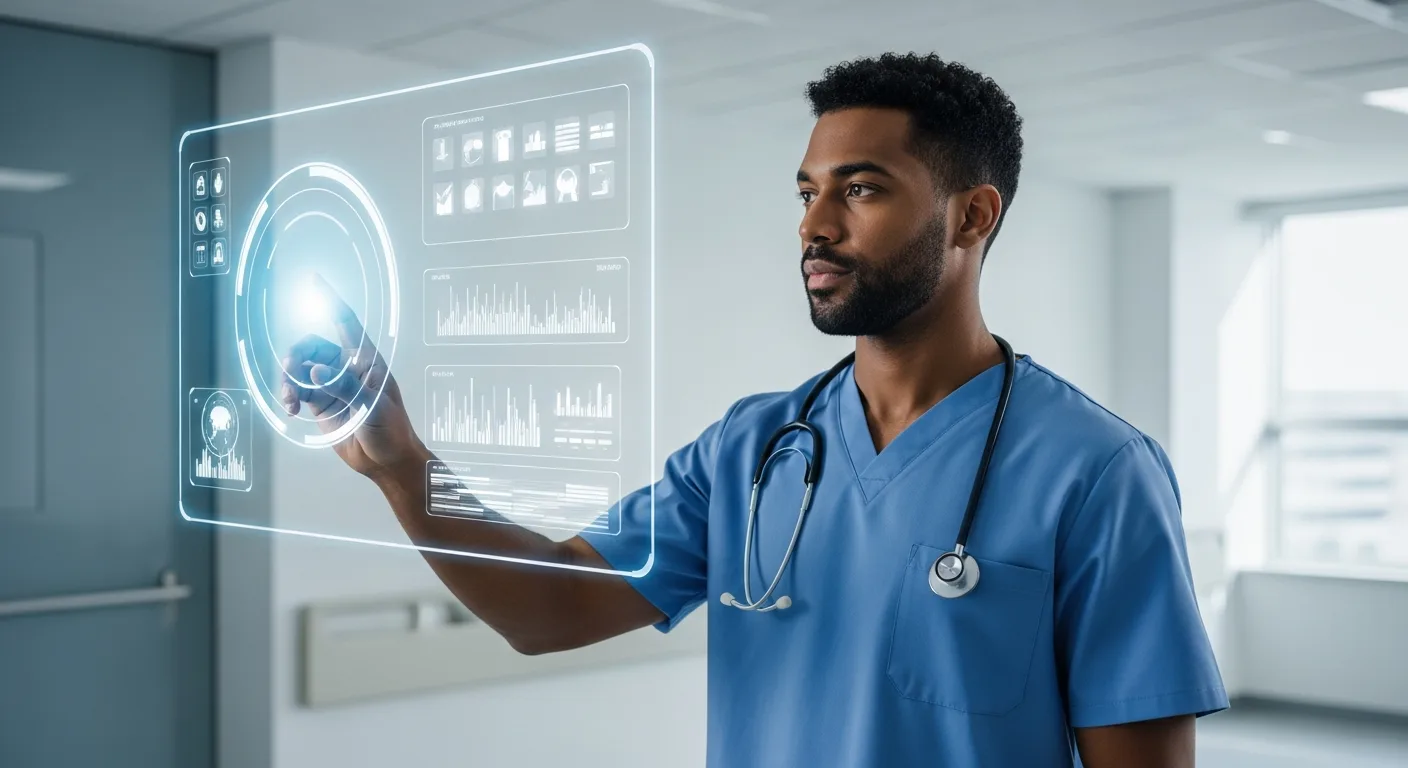
Nursing is undergoing its most significant transformation since the invention of the electronic health record. In 2026, the image of a nurse buried in paperwork is fading. Instead, he is becoming a high-level data orchestrator. Artificial intelligence is not replacing the nurse; it is stripping away the repetitive, soul-crushing administrative tasks that lead to burnout, allowing him to return to the bedside with better insights and more energy.
The integration of AI into daily workflows means a nurse can now rely on algorithms to monitor subtle physiological changes that the human eye might miss. This shift ensures that his clinical judgment is backed by real-time data, making patient care safer and more proactive than ever before.
Predictive Analytics: Stopping Crises Before They Start
One of the most profound changes is the move from reactive to predictive care. AI models now analyze thousands of data points from a patient’s history, lab results, and live vitals to predict events like sepsis, cardiac arrest, or falls hours before they occur. When a nurse receives an alert on his handheld device, it isn’t just a noise; it is a prioritized notification based on a predictive risk score.
- Early Sepsis Detection: Algorithms identify inflammatory markers and blood pressure trends to warn a nurse of impending shock.
- Fall Prevention: Computer vision monitors a patient’s movement in bed, alerting the nurse if he attempts to stand up without assistance.
- Deterioration Alerts: AI tracks respiratory patterns to catch respiratory failure in its earliest stages.
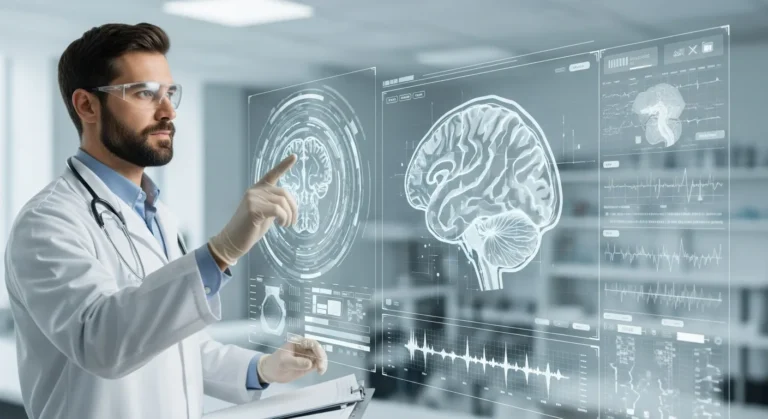
By integrating various data types through multimodal AI healthcare diagnosis systems, the nurse gains a holistic view of the patient’s trajectory, allowing him to intervene when it matters most.
Automated Documentation and Ambient Intelligence
Documentation has historically been the biggest thief of a nurse’s time. Ambient AI is changing this by using voice-to-text technology that listens to the interaction between the nurse and his patient. The system automatically populates the nursing notes, flowsheets, and care plans. He no longer has to spend two hours at the end of his shift typing; he simply reviews and signs off on the AI-generated summary.
This technology also extends to medication administration. AI-powered scanners and smart pumps cross-reference the patient’s genomic data and current labs to ensure the dosage is not just correct, but optimized for his specific metabolism. This reduces the cognitive load on the nurse, significantly lowering the risk of medication errors.
The Rise of Robotics and Physical Support
The physical toll of nursing is immense. In 2026, AI-driven robotics are stepping in to handle the heavy lifting. Autonomous mobile robots (AMRs) navigate hospital hallways to deliver supplies, linens, and medications. This saves the nurse miles of walking every shift, keeping him on the floor where his expertise is needed.
Furthermore, wearable exoskeletons are becoming common in intensive care units. When a nurse needs to turn or reposition a heavy patient, the AI-powered suit provides the necessary torque to prevent back injuries. This technological support is a key part of understanding the role of future AI digital workers in clinical settings, where machines handle the physical strain while humans provide the empathy and complex decision-making.
Personalized Care Planning and Education
AI is also a powerful tool for patient education. When a nurse prepares a patient for discharge, AI generates personalized recovery plans based on the patient’s specific health literacy level and home environment. The nurse can use AI-driven tablets to show the patient 3D visualizations of his surgery or recovery process, making the instructions much easier to follow.
For the nurse himself, AI acts as a clinical mentor. If he is performing a rare procedure, he can use augmented reality (AR) glasses that overlay step-by-step instructions and real-time guidance, ensuring he maintains the highest standards of care even in high-pressure situations.
Frequently Asked Questions
Will AI replace nurses in the future?
No. While AI handles data and physical tasks, it cannot replicate the critical thinking, emotional intelligence, and complex ethical decision-making a nurse provides. It is a tool that enhances his capabilities rather than a replacement for his role.
How does AI help with nursing shortages?
AI helps by automating administrative tasks and optimizing scheduling. By reducing the workload on each individual, it allows a nurse to manage his patient load more effectively without the high risk of burnout that currently plagues the profession.
Is patient privacy at risk with AI in nursing?
Hospitals use encrypted, localized AI models that comply with strict healthcare regulations. The data is used to improve the patient’s own care and is anonymized before being used for broader machine learning purposes, ensuring his privacy remains protected.
Does a nurse need to be a tech expert to use AI?
Not at all. Modern AI interfaces are designed to be intuitive. A nurse interacts with these systems through natural language or simple dashboards, allowing him to focus on the patient rather than the software.