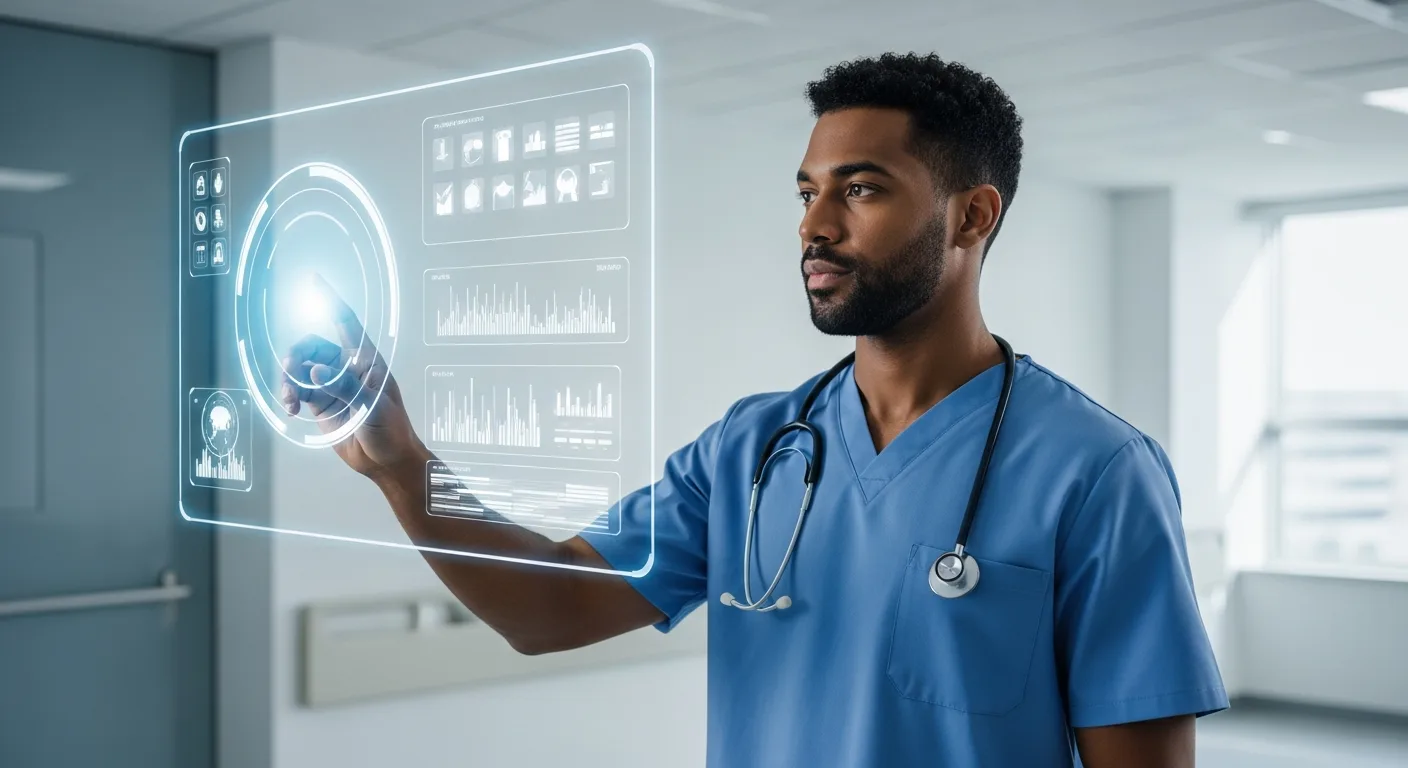
How is Artificial Intelligence Changing Nursing in 2026?
The End of the Paperwork Era
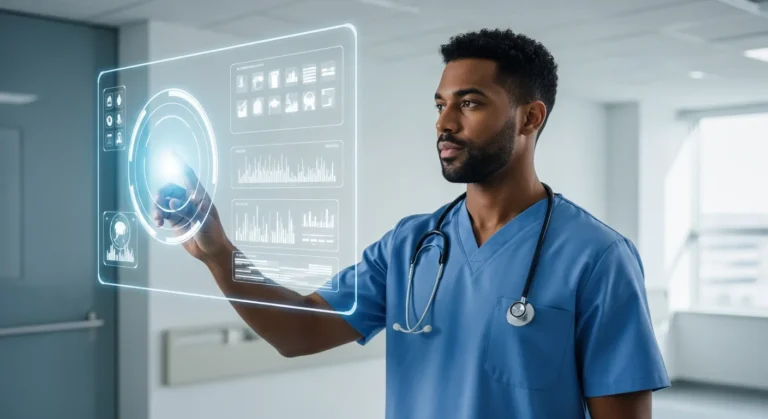
The modern nurse has long been buried under a mountain of administrative tasks. For years, he spent nearly 35% of his shift documenting vitals, updating charts, and navigating clunky electronic health records (EHR). In 2026, that dynamic has shifted. Ambient AI intelligence now listens to patient interactions and automatically populates clinical notes in real-time. This allows the nurse to keep his eyes on the patient rather than a screen.
By leveraging natural language processing, these systems understand clinical context. If a nurse mentions a specific wound dressing change, the system logs the time, the materials used, and the patient’s response. This reduction in “pajama time”—the hours spent charting after a shift—is a primary driver in reducing burnout across the profession.
Predictive Analytics: Moving from Reactive to Proactive
One of the most significant shifts in nursing is the move toward predictive care. Instead of waiting for a patient to crash, the nurse is now alerted to subtle physiological changes hours before they become critical. AI algorithms analyze thousands of data points from wearable sensors and bedside monitors to predict events like sepsis, cardiac arrest, or falls.
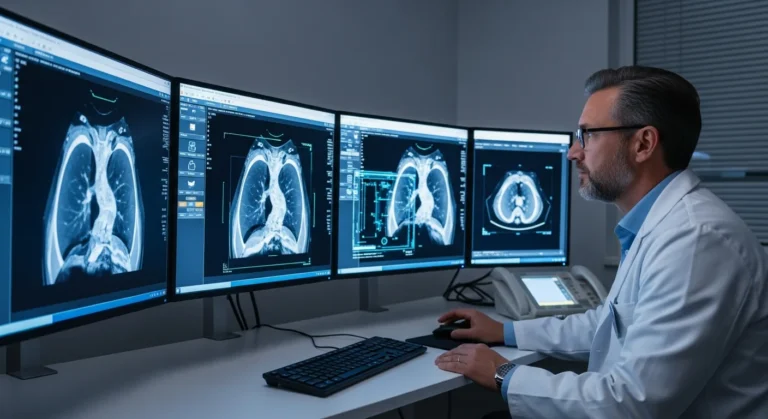
When a nurse receives a notification on his handheld device, he isn’t just seeing an alarm; he is seeing a risk score. This data-driven approach allows him to intervene early, perhaps by starting a fluid bolus or adjusting oxygen levels, effectively saving lives through foresight. The integration of multimodal AI healthcare diagnosis tools ensures that these predictions are based on a holistic view of the patient’s history and current status.
Virtual Nursing and the Digital Workforce
The nursing shortage has forced hospitals to rethink how they deploy their most experienced staff. Virtual nursing has emerged as a powerful solution. In this model, a veteran nurse monitors a dozen rooms from a central command center. He handles the admission interviews, discharge instructions, and medication double-checks via high-definition video links.
This leaves the floor nurse free to handle physical tasks—wound care, IV starts, and patient positioning. This collaboration between physical and future AI digital workers creates a safety net. If a floor nurse is occupied with an emergency, his virtual counterpart can still keep an eye on the rest of the unit, ensuring no patient is left unmonitored.
Smart Medication Management
Medication errors are a leading cause of patient harm, often stemming from fatigue or distraction. AI-powered medication dispensing systems now act as a second set of eyes. These systems use computer vision to verify that the nurse has pulled the correct vial and dosage before he even reaches the patient’s bedside.
- Dose Optimization: AI calculates the most effective dose based on the patient’s current renal function and weight.
- Interaction Alerts: Real-time scanning of the patient’s current meds to prevent dangerous drug-drug interactions.
- Inventory Control: Automated systems predict when a unit will run low on specific medications, ensuring the nurse never faces an empty cabinet during a crisis.
The Human Element in a Tech-Driven Ward
Despite the influx of technology, the core of nursing remains human. AI cannot replace the empathy a nurse shows when he holds a patient’s hand or the intuition he uses to sense that “something just isn’t right.” Instead, AI acts as a force multiplier. It strips away the mechanical, repetitive tasks that distract from the healing process.
The nurse of 2026 is a data-informed clinician. He uses AI to validate his gut feelings and to provide evidence-based care at a speed that was previously impossible. He is no longer just a caregiver; he is a high-tech care coordinator who manages a suite of intelligent tools to ensure the best possible outcome for his patients.
Frequently Asked Questions
Will AI eventually replace human nurses?
No. While AI can process data and handle documentation, it lacks the physical dexterity, emotional intelligence, and complex ethical reasoning required for nursing. It is designed to assist the nurse, not replace him.
How does AI help with nurse staffing?
AI uses historical data and predictive modeling to forecast patient admissions. This allows hospital managers to staff units more accurately, ensuring a nurse isn’t overwhelmed by an unexpected surge in patients.
Is patient data safe with AI in nursing?
Hospitals use encrypted, HIPAA-compliant AI frameworks. These systems are designed to process data locally or within secure clouds, ensuring that a patient’s private health information is never exposed to the public internet.