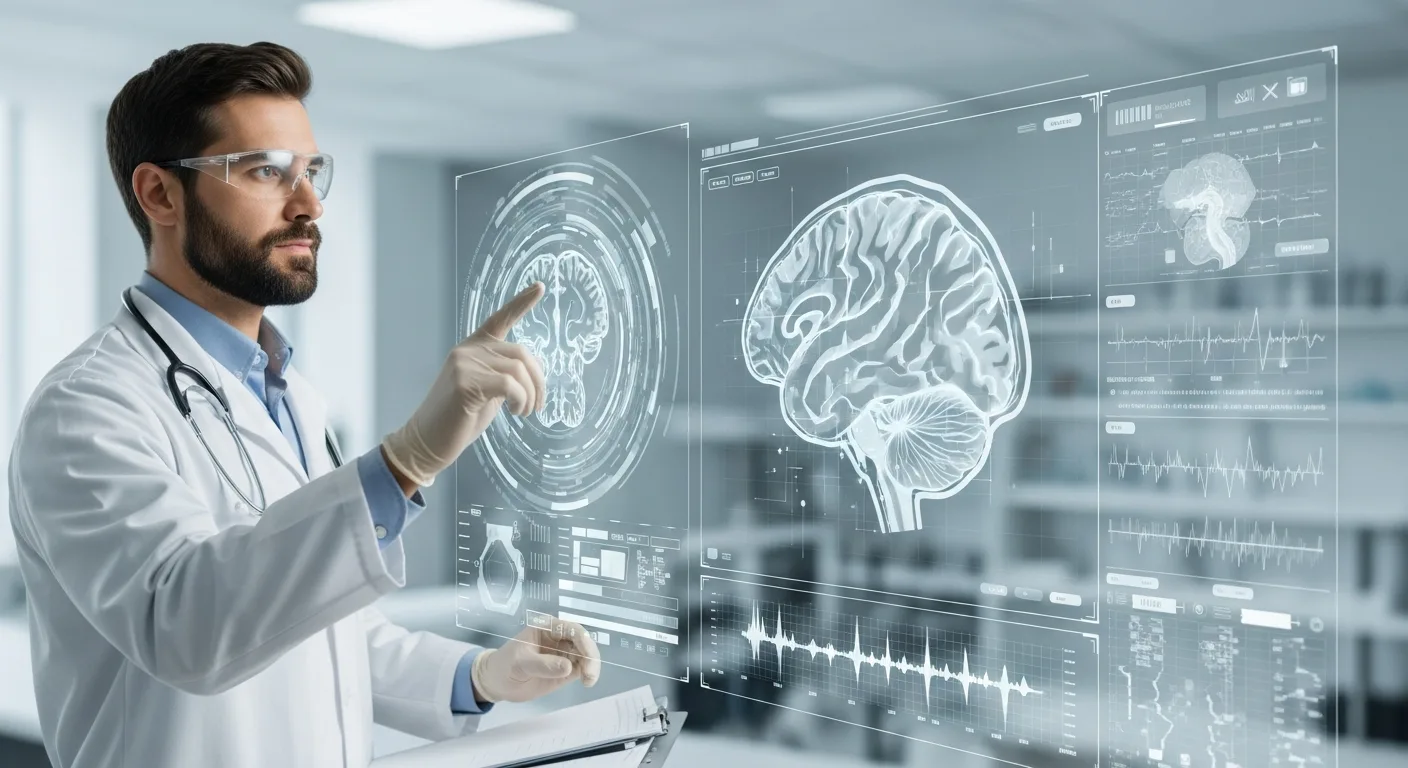
Why Multimodal AI is the New Gold Standard for Healthcare Diagnosis
The Evolution of Diagnostic Accuracy through Multimodal Systems
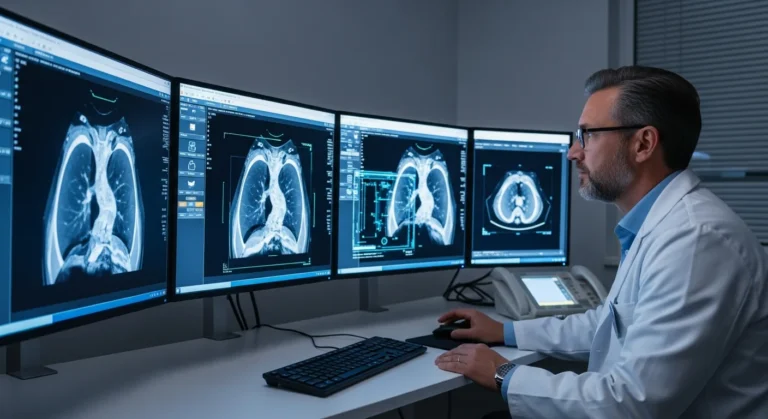
In the rapidly advancing landscape of 2026, the medical community has moved past the limitations of single-source data analysis. Multimodal AI in healthcare diagnosis represents a paradigm shift, moving from narrow applications to a holistic understanding of patient health. By integrating diverse data streams—ranging from high-resolution medical imaging to real-time wearable telemetry—these systems provide a 360-degree view that was previously impossible for a human clinician to synthesize manually.
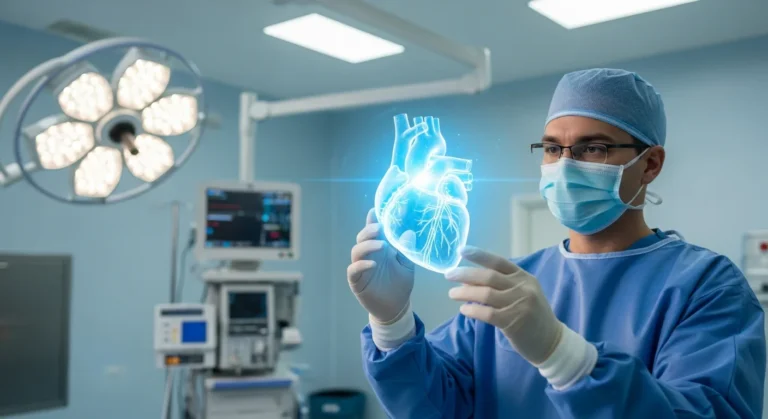
The core strength of this technology lies in its ability to process unstructured and structured data simultaneously. For instance, when a cardiologist evaluates a patient, he no longer needs to toggle between separate software for ECG readings, blood work, and ultrasound videos. The AI does this for him, highlighting correlations that exist across these different modalities. This unified approach is built upon foundational multimodal AI capabilities that allow models to understand the relationship between text, vision, and tabular data.
Integrating Diverse Data Streams for Precision Medicine
Precision medicine requires more than just a snapshot of a patient’s current state; it requires context. Multimodal AI excels here by merging longitudinal Electronic Health Records (EHR) with genetic sequencing and lifestyle data. This integration ensures that a diagnosis is not just a label, but a personalized roadmap for treatment.
- Imaging and Pathology: Combining MRI scans with biopsy reports to detect cellular anomalies earlier than ever.
- Genomics and Phenomics: Correlating a patient’s genetic predispositions with his observable physical traits.
- Natural Language Processing (NLP): Extracting insights from a physician’s handwritten notes and voice memos to supplement quantitative data.
By leveraging these streams, the diagnostic process becomes proactive rather than reactive. A clinician can see a trend in a patient’s data months before physical symptoms manifest, allowing him to intervene with preventative strategies that save lives and reduce long-term costs.
Overcoming the Challenges of Data Silos and Privacy
Despite the immense potential, the implementation of multimodal systems faces significant hurdles, primarily regarding data fragmentation. In many legacy systems, diagnostic data is trapped in silos, making it difficult for an AI to access a complete dataset. To solve this, modern healthcare institutions are adopting interoperable data standards and federated learning models, where the AI learns from data without the sensitive information ever leaving its original secure location.
Security remains a paramount concern for any healthcare administrator. As these AI models become more complex, they require robust enterprise security strategies to protect patient confidentiality. Ensuring that the AI respects HIPAA and other global privacy regulations is not just a legal necessity but a foundational requirement for maintaining patient trust. When a patient knows his data is handled with the utmost care, he is more likely to participate in the data-sharing initiatives that fuel these diagnostic breakthroughs.
The Future of the Physician-AI Partnership
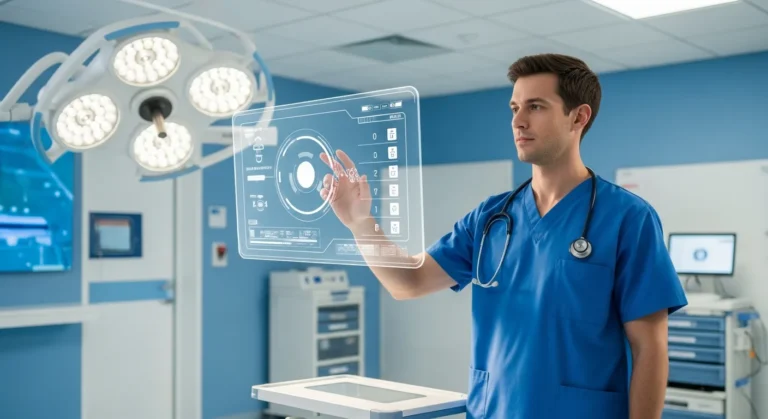
The goal of multimodal AI is not to replace the doctor, but to augment his capabilities. In 2026, we see a collaborative environment where the AI acts as a highly sophisticated co-pilot. The system handles the heavy lifting of data synthesis, allowing the physician to focus his time on complex decision-making and patient communication.
When a specialist reviews a case, the AI presents a summarized “diagnostic confidence score,” backed by evidence from all available data modalities. He can then drill down into the specific reasons why the AI flagged a particular risk. This transparency is crucial for clinical adoption, as it allows the practitioner to verify the AI’s logic against his own medical expertise. This synergy ensures that the final diagnostic word always rests with a human professional, enhanced by the speed and scale of machine intelligence.
Frequently Asked Questions
How does multimodal AI differ from traditional AI in healthcare?
Traditional AI typically focuses on a single type of data, such as analyzing X-rays for fractures. Multimodal AI, however, analyzes multiple data types simultaneously—like imaging, blood tests, and patient history—to provide a more accurate and comprehensive diagnosis.
Is multimodal AI currently being used in hospitals?
Yes, by 2026, many leading medical centers have integrated multimodal platforms, particularly in oncology, neurology, and cardiology, where complex data correlation is essential for early and accurate detection.
Does the use of AI mean I won’t see a human doctor?
No. The AI is a tool used by your doctor to enhance his diagnostic accuracy. All final medical decisions and treatment plans are still managed and approved by your healthcare provider.
What are the primary benefits for the patient?
Patients benefit from earlier detection of diseases, more personalized treatment plans, and a reduction in diagnostic errors, leading to better overall health outcomes and more efficient care.