How is AI Changing the Nursing Workforce in 2026?
The End of the Paperwork Era
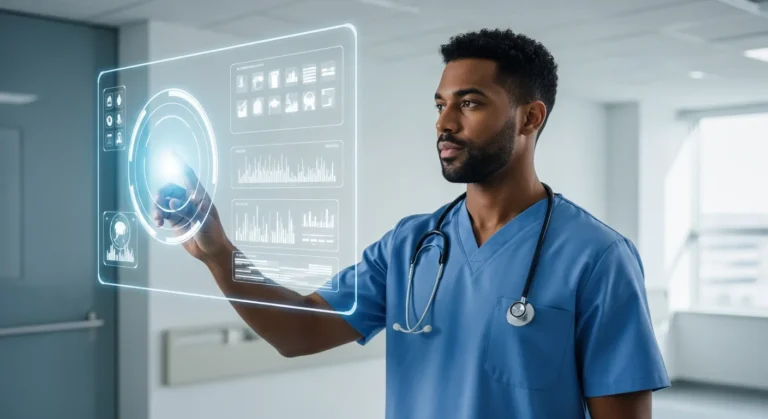
The image of a nurse tethered to a workstation, frantically typing notes while his patients wait, is rapidly becoming a relic of the past. Artificial intelligence is fundamentally restructuring the daily workflow of the nursing professional. By 2026, AI-powered ambient scribes have moved from experimental pilot programs to standard hospital equipment. These systems listen to patient interactions and automatically populate electronic health records (EHRs), allowing a nurse to maintain eye contact and focus entirely on the man in the bed rather than a screen.
This shift isn’t just about convenience; it is about reclaiming time. When a nurse is freed from three hours of manual documentation per shift, he can dedicate that energy to complex clinical assessments and emotional support. This reduction in administrative friction is the primary weapon hospitals are using to combat the chronic burnout that has plagued the profession for decades.
Predictive Analytics and Proactive Care
AI is moving nursing from a reactive model to a proactive one. Advanced algorithms now analyze real-time physiological data to predict adverse events before they occur. For instance, AI systems can identify the subtle signs of sepsis or respiratory failure hours before a human clinician might notice a change in vitals. This allows the nurse to intervene early, potentially saving a life through preemptive clinical action.
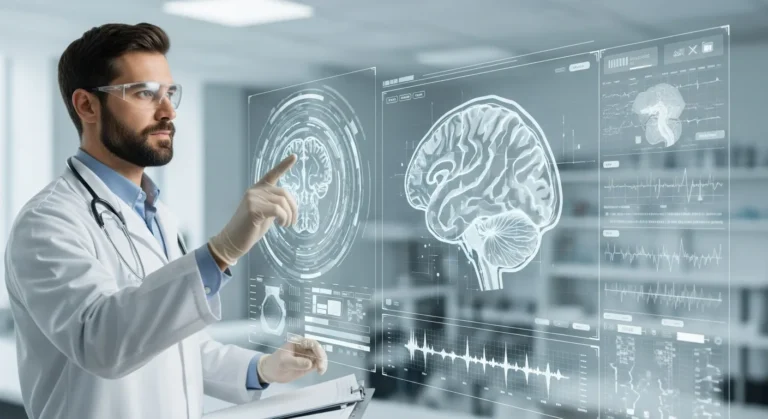
Integrating multimodal AI healthcare diagnosis tools into the nursing workflow means that a nurse has a digital partner constantly scanning for patterns. If a patient’s gait changes slightly, indicating a high fall risk, the system alerts the nurse immediately. He no longer has to rely solely on periodic checks; he has a continuous safety net that monitors his entire ward simultaneously.
The Rise of the Virtual Nursing Assistant
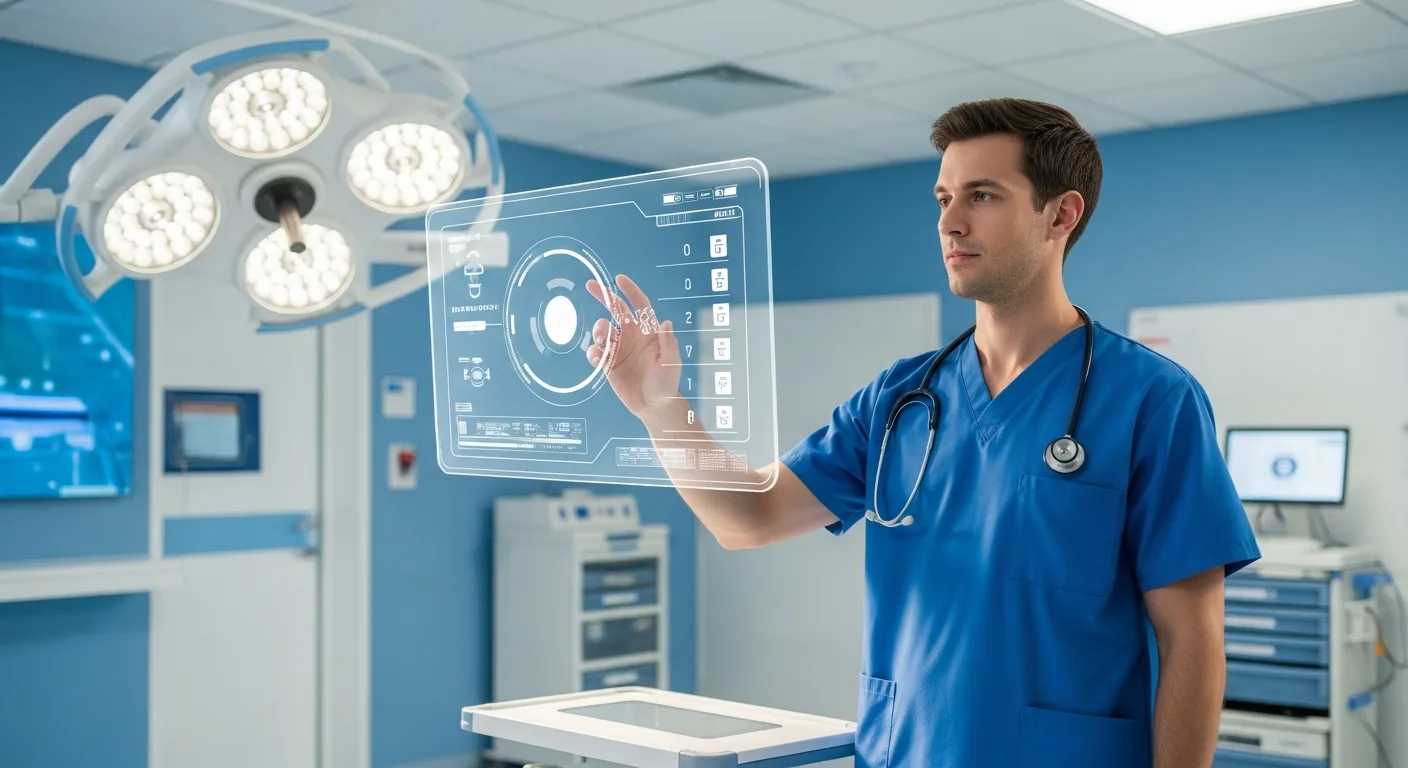
The nursing workforce is also being augmented by digital entities that handle routine patient inquiries. Virtual nursing assistants, accessible via bedside tablets or voice-activated devices, can answer common questions about medication schedules, meal times, or hospital discharge procedures. This filters out low-level tasks that previously interrupted a nurse’s high-priority clinical work.
These tools are part of a broader trend regarding the future of AI digital workers in the medical field. By delegating information-sharing tasks to an AI, the nurse ensures that his expertise is reserved for situations that require human judgment, empathy, and complex physical maneuvers. He becomes the orchestrator of a tech-enabled care team, rather than a solo provider overwhelmed by minor requests.
Redefining Nursing Skills and Education
As AI takes over the technical and repetitive aspects of the job, the definition of a “skilled nurse” is evolving. In 2026, a nurse must be as proficient with data interpretation as he is with wound care. Nursing education has shifted to emphasize “AI fluency”—the ability to understand how an algorithm reached a conclusion and when to override it based on clinical intuition.
- Data Literacy: Nurses must understand how to act on predictive scores and risk assessments generated by AI.
- Tech Troubleshooting: Basic management of bedside AI interfaces is now a core competency.
- Ethical Oversight: The nurse acts as the final safeguard, ensuring that AI recommendations align with the patient’s personal wishes and ethical standards.
Addressing the Human Element
Despite the influx of technology, the core of nursing remains deeply human. AI cannot replace the physical touch of a nurse as he stabilizes a patient during a crisis or the nuanced communication required to explain a difficult diagnosis to a grieving family member. Instead, AI acts as a force multiplier for human empathy.
By stripping away the mechanical tasks—the scheduling, the charting, the routine monitoring—AI allows the nurse to be more present. He is no longer a data entry clerk; he is a highly specialized clinician who uses technology to provide a level of personalized care that was previously impossible due to staffing shortages and time constraints.
Frequently Asked Questions
Will AI replace human nurses?
No. AI is designed to augment the nursing workforce, not replace it. While it can handle data and routine monitoring, it lacks the physical dexterity, emotional intelligence, and complex ethical reasoning that a human nurse provides.
How does AI help with nursing shortages?
AI helps by increasing the efficiency of the existing workforce. By automating documentation and routine tasks, it allows a single nurse to manage his workload more effectively without compromising patient safety or his own mental health.
Do nurses need a computer science degree to use AI?
Not at all. Modern AI tools in healthcare are designed with intuitive interfaces. A nurse only needs to understand how to interpret the outputs and ensure the technology is functioning correctly within his clinical workflow.
Can AI improve patient safety in nursing?
Yes. AI significantly improves safety by providing 24/7 monitoring and alerting nurses to early warning signs of patient deterioration, such as sepsis or cardiac distress, which might be missed during a busy shift.