
Which Industry Is Least Likely to Be Replaced by Artificial Intelligence (AI)?
The Reality of Automation in 2026
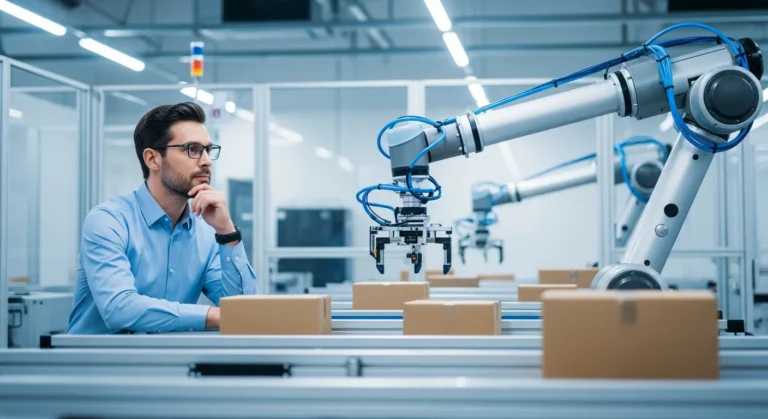
The fear that a silicon-based brain will take over every paycheck is widespread, but it is largely unfounded. While AI has mastered data processing and generative content, it still hits a hard wall when faced with the physical world and the nuances of human emotion. The industries least likely to be replaced are those that require physical dexterity, complex problem-solving in unpredictable environments, and high-stakes empathy.
Skilled Trades: The Physical Barrier AI Can’t Cross
If you want a job that is virtually bulletproof against automation, look at the skilled trades. Plumbers, electricians, and HVAC technicians operate in chaotic, non-standardized environments. A robot might be able to build a car on a controlled assembly line, but it cannot navigate a cramped, 100-year-old crawlspace to find a hairline fracture in a copper pipe.
A plumber doesn’t just turn a wrench; he diagnoses problems based on smell, sound, and touch. He negotiates with a frustrated homeowner and makes split-second decisions when a pipe bursts unexpectedly. This level of spatial awareness and manual dexterity is decades away from being replicated by affordable robotics. For now, the man with the toolbox is safer than the man behind the spreadsheet.
Healthcare and the Necessity of the Human Touch
While AI is phenomenal at analyzing X-rays or suggesting drug dosages, it cannot replace the holistic care provided by healthcare professionals. Nursing, in particular, is an industry defined by its resilience to automation. A male nurse does more than administer medication; he provides emotional support, monitors subtle changes in a patient’s demeanor, and manages complex family dynamics.
Even as technology advances, the way AI is altering the nursing workforce suggests a shift toward augmentation rather than replacement. The machine handles the data entry, while the professional focuses on the patient. In high-pressure environments like the ER, a doctor must make moral and ethical calls that a machine simply isn’t programmed to handle. AI lacks the “gut feeling” that comes from years of clinical experience.
Creative Strategy and High-Stakes Leadership
AI can generate a logo or write a basic report, but it cannot invent a brand-new business philosophy or lead a team through a corporate crisis. High-level strategy requires an understanding of human psychology, cultural trends, and long-term vision. A CEO or a creative director uses his intuition to pivot a company in a direction that hasn’t been mapped out by historical data.
Because AI is trained on existing data, it is inherently derivative. It can optimize the past, but it cannot truly innovate the future. Understanding what artificial intelligence cannot do is key to realizing why visionary leadership remains a human-only domain. A leader must inspire his team, build trust, and navigate the messy reality of human relationships—tasks that no algorithm can perform.
Education and Specialized Mentorship
The education sector, specifically roles involving mentorship and specialized coaching, is highly resistant to AI. While a student can learn facts from a chatbot, he cannot receive the personalized guidance and character building that a dedicated teacher or coach provides. A mentor identifies a student’s hidden potential, pushes him through mental blocks, and holds him accountable in a way a screen never could.
- Adaptability: Teachers pivot their lesson plans instantly based on the energy in the room.
- Empathy: A coach recognizes when a student is struggling with external issues and adjusts his approach.
- Moral Guidance: Education is as much about ethics and social integration as it is about curriculum.
The Verdict: Human-Centric Roles Win
The industries least likely to be replaced by AI are those where the “human element” isn’t just a bonus—it’s the product. Whether it’s the physical ingenuity of a carpenter, the life-saving intuition of a surgeon, or the strategic mind of a trial lawyer, these roles rely on qualities AI lacks: consciousness, physical agility, and genuine empathy. If your job requires you to move through the real world and interact with people’s deepest needs, your seat at the table is secure.
Frequently Asked Questions
Which blue-collar jobs are safest from AI?
Jobs like plumbing, electrical work, and specialized construction are the safest. These roles require working in unpredictable, non-standardized environments that current robotics cannot navigate effectively.
Can AI replace doctors and surgeons?
No. While AI can assist in diagnostics and robotic surgery, the final decision-making, ethical judgment, and patient interaction require a human doctor’s expertise and accountability.
Will AI ever have empathy?
AI can simulate empathy by using sentiment analysis to choose the “correct” words, but it does not have feelings or a consciousness. It cannot truly share a human experience or offer genuine emotional support.
Is creative work safe from AI?
High-level creative strategy and truly original art are safe. While AI can produce derivative works based on existing patterns, it cannot create entirely new movements or understand the cultural context behind a masterpiece.