How is Artificial Intelligence Soundtrack Tech Changing Media in 2026?
The Shift from Static to Generative Soundtracks
The days of browsing through generic stock music libraries are over. In 2026, the artificial intelligence soundtrack has evolved into a dynamic, living entity. Instead of a fixed audio file, modern soundtracks are often generative, meaning they can adapt in real-time to the actions on screen. For a game developer, this means the music can intensify exactly when the player enters a high-stakes battle, without the need for awkward transitions.
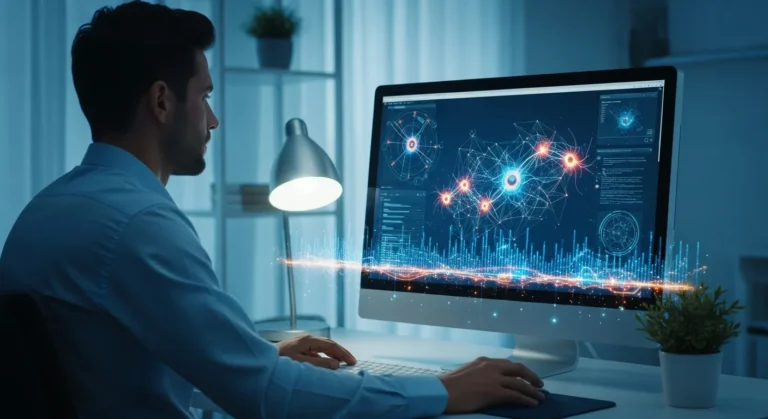
This technology relies on deep learning models that have analyzed centuries of musical theory and millions of hours of audio. By leveraging multimodal AI capabilities, these systems can now ‘watch’ a scene and compose a score that matches the emotional beats perfectly. He no longer has to spend weeks syncing a crescendo to a specific visual cue; the AI handles the timing with millisecond precision.
Why Filmmakers are Turning to AI Scoring
Efficiency is the primary driver behind the adoption of AI in scoring. Independent creators and high-end studios alike use these tools to bridge the gap between a temp track and a final masterpiece. A director can input a text prompt describing the mood—perhaps ‘melancholic cello with a futuristic synth undertone’—and receive a fully orchestrated piece in seconds.
- Rapid Iteration: A composer can generate ten variations of a theme in the time it used to take to write one.
- Cost Reduction: Small-scale projects can access cinematic-quality audio without the five-figure budget of a live orchestra.
- Customization: Every element of the track, from the tempo to the specific instruments used, can be tweaked via simple sliders or natural language commands.
Creators often pair these scores with high-quality video generation tools to produce entire short films in hours rather than months. This synergy between visual and auditory AI is redefining what a solo creator can achieve.
The Technical Backbone of AI Music in 2026
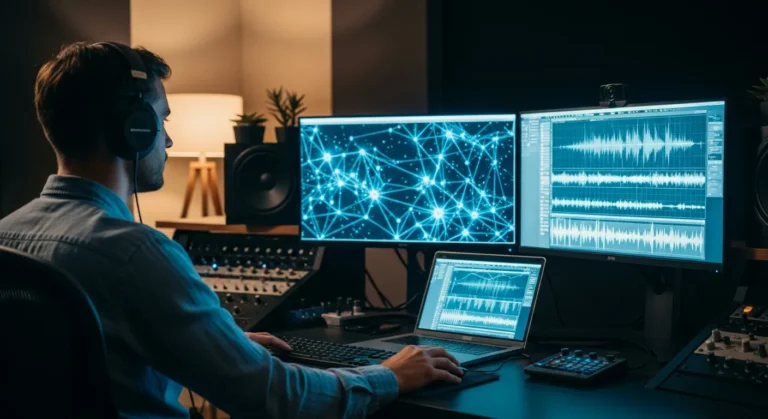
Modern AI soundtrack generators have moved beyond simple MIDI manipulation. They now utilize audio diffusion models and transformer architectures to create raw waveform audio. This results in sound that is indistinguishable from live recordings. The AI understands the nuances of human performance—the slight vibrato of a violinist or the rhythmic imperfections of a jazz drummer.
For the technical user, this means he can manipulate the ‘latent space’ of a composition. He can blend genres that previously felt incompatible, such as 18th-century baroque and modern industrial techno, creating entirely new sonic textures that feel organic rather than forced.
Balancing Human Creativity with Machine Precision
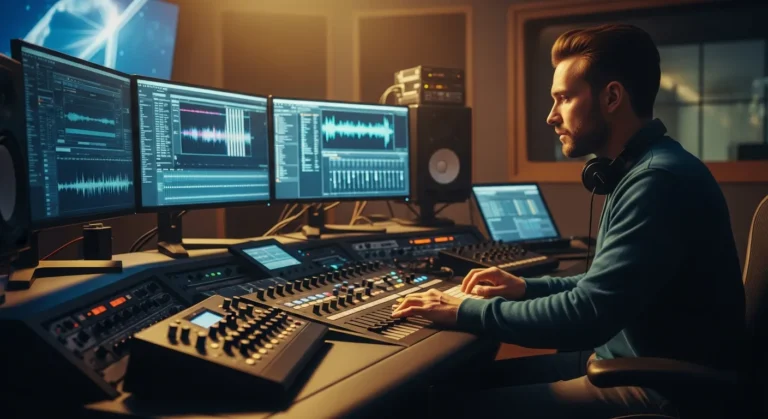
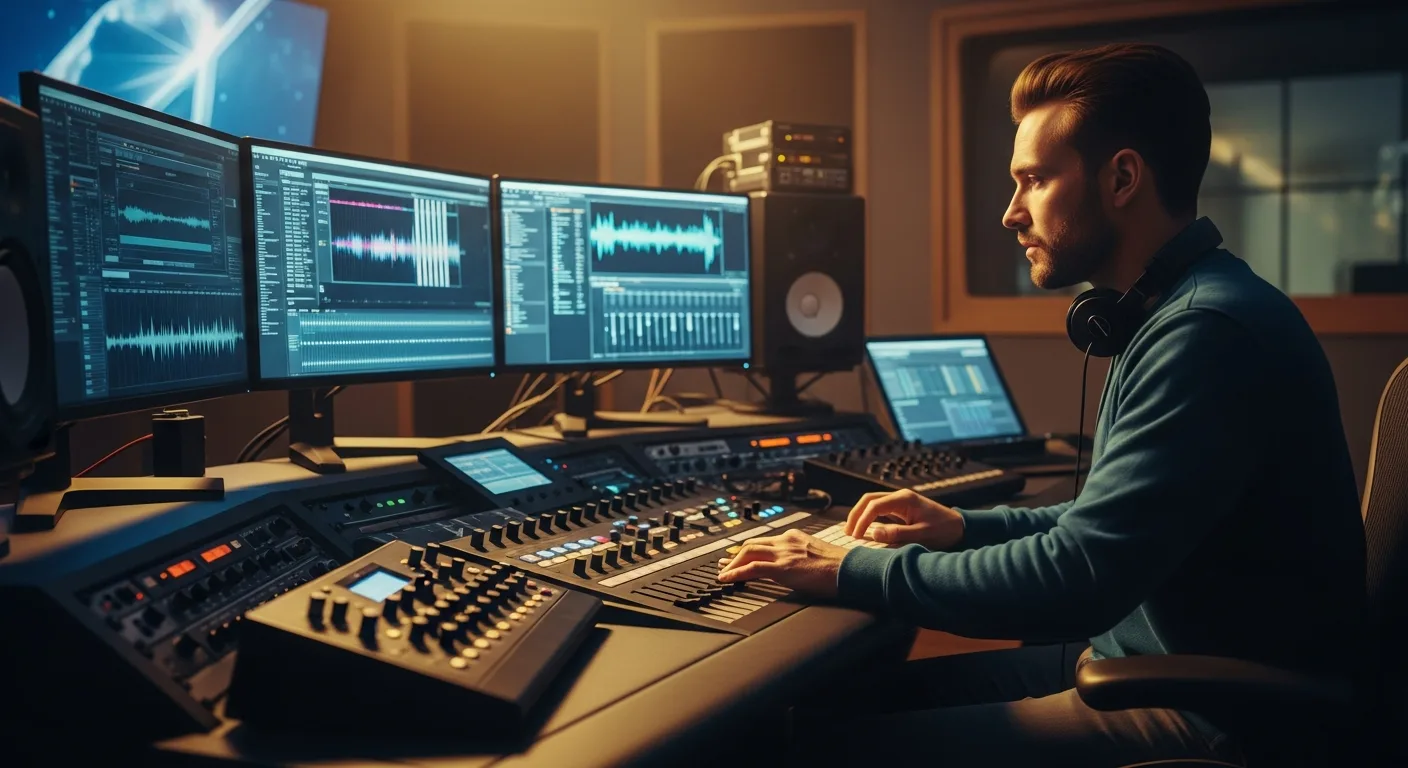
Despite the power of the artificial intelligence soundtrack, the human composer remains the ultimate architect. He uses AI as a sophisticated brush, not a replacement for his vision. The machine provides the raw materials and the technical execution, but the human provides the soul and the narrative intent.
In 2026, the most successful composers are those who have mastered prompt orchestration. He knows how to guide the AI through complex emotional arcs, ensuring that the music doesn’t just sound good, but actually tells a story. The AI might suggest a melody, but he decides if that melody truly resonates with the character’s journey.
Frequently Asked Questions
Can AI create a full movie soundtrack?
Yes, in 2026, AI tools are capable of generating cohesive, multi-track scores that span the entire length of a feature film. These systems can maintain thematic consistency by reusing motifs and evolving them as the story progresses.
Is AI-generated music copyright-free?
It depends on the platform. Most professional AI soundtrack services provide a commercial license that allows the user to own the rights to the generated output, though the underlying model remains the property of the developer.
Will AI replace human composers?
AI is a tool that augments the composer’s workflow. While it automates many tedious tasks, the creative direction and emotional depth still require a human’s touch to ensure the music connects with an audience on a deeper level.