Can AI Compose Your Next Hit? The Reality of Artificial Intelligence Soundtracks in 2026
The Death of Generic Stock Music
The days of scrolling through endless libraries of generic, royalty-free background tracks are over. For years, creators were forced to settle for music that ‘almost’ fit their vision. In 2026, the artificial intelligence soundtrack has moved from a novelty to a professional standard. He no longer needs to spend thousands of dollars on a session composer for a short-form video or an indie game. Instead, he can generate a bespoke, high-fidelity score that matches the emotional arc of his project in seconds.
This shift isn’t just about speed; it’s about precision. Modern AI models understand music theory, instrumentation, and emotional resonance. When a creator pairs high-end visuals from video generators that don’t use watermarks with a custom AI score, he achieves a level of production value previously reserved for major Hollywood studios.
How AI Soundtracks Work in 2026
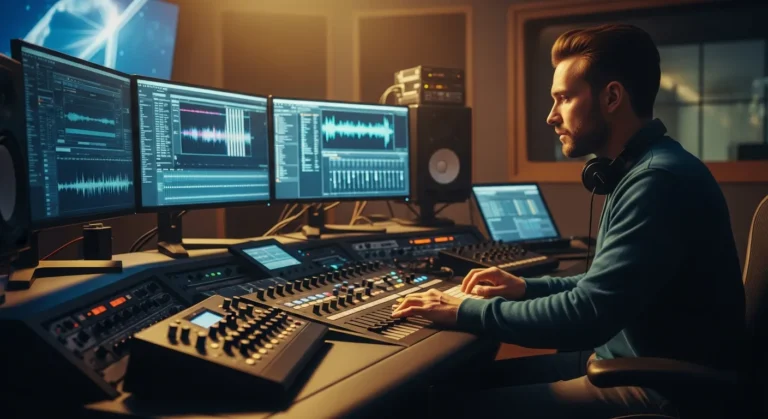
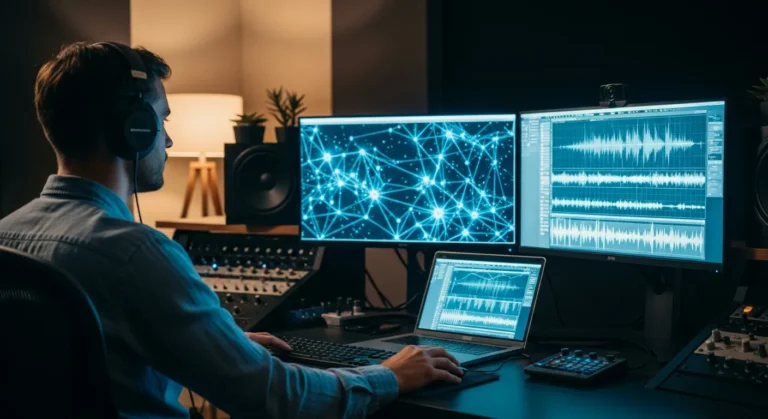
The technology has evolved beyond simple MIDI generation. Today’s AI music engines use diffusion models and neural audio synthesis to create full-spectrum audio files. He can input a text prompt, a reference track, or even a rough hum, and the system interprets the tempo, key, and mood to build a multi-layered composition.
- Stem Separation: Most professional tools now allow him to export individual stems (drums, bass, melody), giving him total control over the final mix.
- Dynamic Adaptation: In gaming, AI soundtracks can now change in real-time based on the player’s actions, shifting from a calm ambient pad to a high-tension orchestral piece seamlessly.
- Timbre Transfer: He can take a piano melody and instantly resynthesize it into a gritty cyberpunk synth or a 40-piece string section without re-recording a single note.
Navigating Ownership and Copyright
As the barrier to entry drops, the legal landscape becomes more complex. One of the biggest hurdles for any professional is ensuring he actually owns the music he generates. He must carefully navigate the evolving landscape of copyright laws for AI-generated assets to ensure his commercial rights are protected.
In 2026, most top-tier AI music platforms have moved toward a licensed training data model. This means the AI was trained on music where the artists were compensated, providing a cleaner legal path for the end-user. However, he should always check if the platform grants him full commercial ownership or merely a license to use the track.
Practical Integration for Content Creators
To get the most out of an artificial intelligence soundtrack, a creator should treat the AI as a collaborator rather than a ‘set and forget’ tool. He can start by generating a base track that fits the general mood of his edit. From there, he can use AI-driven editing tools to sync the ‘hits’ of the music with his visual cuts.
For podcasters and streamers, AI allows for the creation of unique intro and outro themes that are mathematically guaranteed to be unique. This prevents the dreaded ‘Content ID’ strikes that often plague creators using popular royalty-free tracks that have been re-uploaded or claimed by third parties.
The Future of Human-AI Collaboration
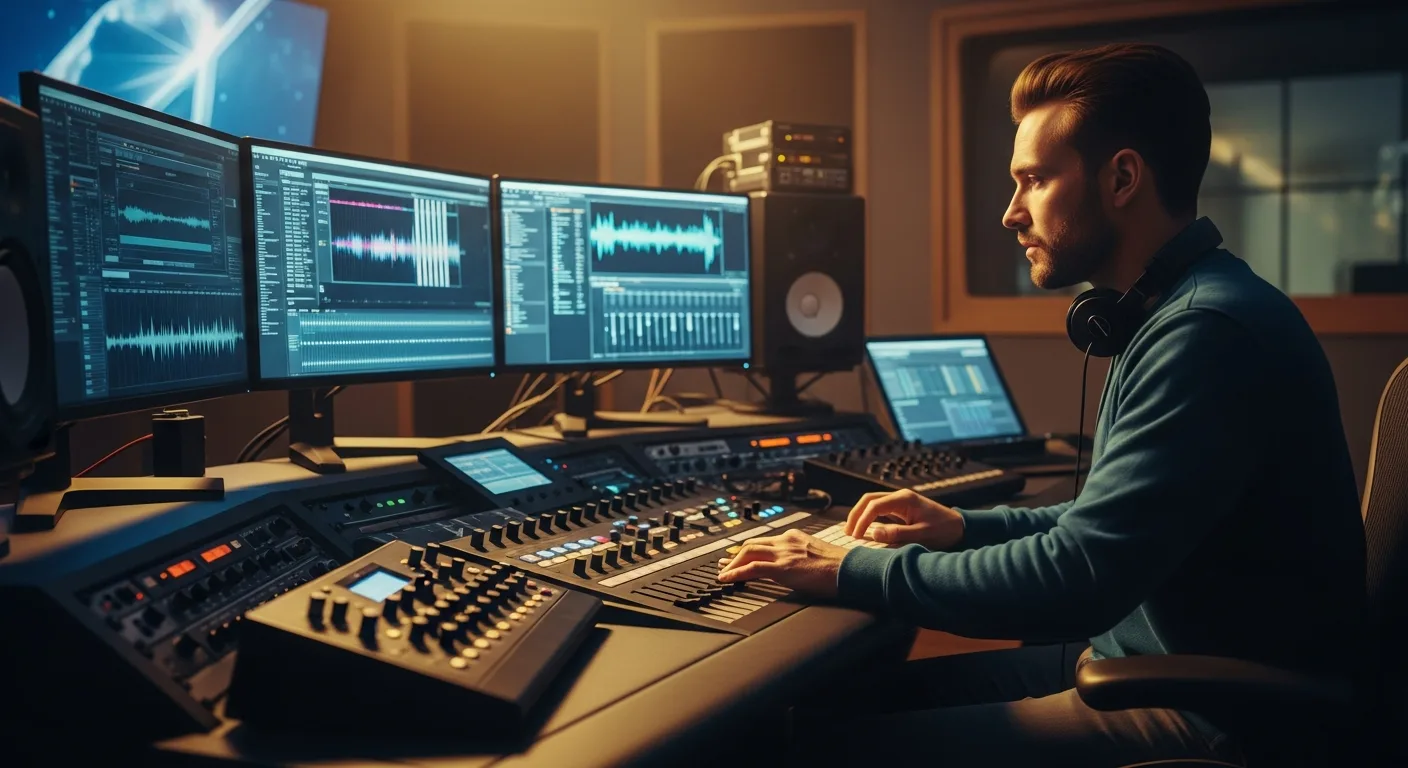
The fear that AI will replace composers is being replaced by the reality of augmented creativity. A professional composer now uses AI to rapidly prototype ideas. He might generate ten different variations of a motif in minutes, pick the best one, and then manually refine the arrangement to add that ‘human’ touch that algorithms still occasionally miss. This workflow allows him to take on more projects and focus on the high-level creative direction rather than the tedious aspects of MIDI programming.
Frequently Asked Questions
Can I use an AI soundtrack for commercial ads?
Yes, provided you use a platform that offers commercial licensing. Most paid subscriptions in 2026 grant the user full rights to use the generated audio in advertisements, films, and social media content.
Is AI music high enough quality for film?
Absolutely. Modern AI engines output 24-bit, 48kHz (or higher) lossless audio. When mixed properly, it is virtually indistinguishable from live-recorded instruments to the average listener.
Do I need to know music theory to use these tools?
No. While a basic understanding of tempo and mood helps, most tools are designed for non-musicians. He can use descriptive language like ‘melancholic cello with a lo-fi hip-hop beat’ to get professional results.
Can AI replicate a specific artist’s style?
While technically possible, most reputable platforms have ‘style filters’ to prevent direct imitation of copyrighted artists, protecting the creator from potential litigation and ethical concerns.