
Where Can You Find High-Quality Artificial Intelligence Stock Footage in 2026?
The Death of the Glowing Blue Brain
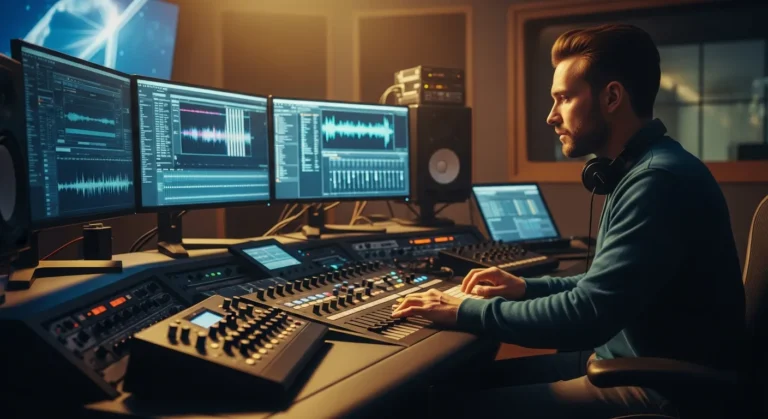
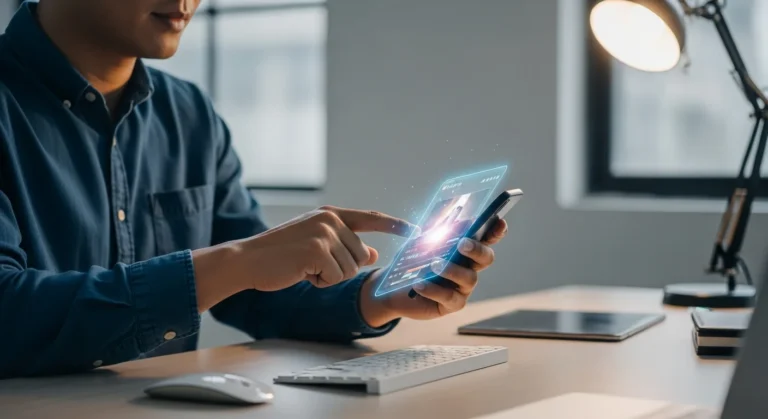
The era of the stereotypical “glowing blue brain” and the “human-robot handshake” is officially over. If a creator wants his project to resonate with a modern audience in 2026, he must move away from these tired clichés. Artificial intelligence stock footage has evolved from literal interpretations of circuits and chips into sophisticated, abstract representations of data flow, neural networks, and seamless human-machine integration.
Today, a filmmaker or marketer needs visuals that reflect the reality of 2026: AI that is invisible, pervasive, and incredibly fast. Finding the right b-roll means looking for high-bitrate, 8K-ready clips that don’t scream “stock photo.”
Top Platforms for Premium AI Visuals
While traditional giants like Adobe Stock and Getty Images have updated their libraries, specialized platforms are now leading the charge. These sites focus on the aesthetic of modern tech, offering cinematic textures and realistic lighting that mimic high-end film production.
- Filmsupply: Known for highly curated, cinematic clips. If a director wants his tech documentary to look like a Hollywood production, he starts here.
- Pond5: Still the king of variety. It offers a massive range of AI-themed footage, from server room time-lapses to abstract data visualizations.
- Artgrid: Excellent for storytelling. Their clips are often part of a larger narrative sequence, allowing a creator to maintain visual consistency across his entire video.
Generating Custom Footage with AI Tools
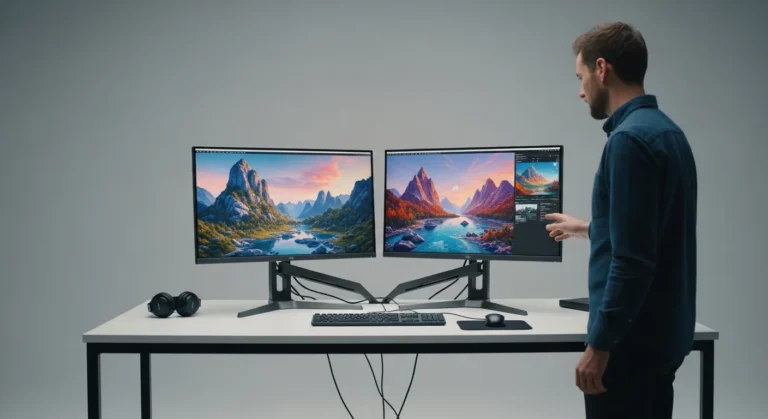
Sometimes, the perfect clip doesn’t exist in a library. In 2026, many professionals are bypassing stock sites altogether by using generative models to create bespoke b-roll. This allows a creator to specify the exact lighting, camera angle, and movement he requires for his specific project.
Using AI video generators without watermarks has become a standard workflow for editors who need quick, high-quality inserts. By inputting a detailed prompt, he can generate a 10-second clip of a futuristic data center or an abstract neural network that perfectly matches his brand’s color palette.
Navigating Licensing and Legal Hurdles
Before a creator hits the “download” button, he must understand the nuances of modern licensing. Not all stock footage is cleared for all uses, especially when generative AI is involved. Most premium platforms now offer indemnification, protecting the user from potential copyright claims.
It is vital to stay updated on the latest copyright laws for AI-generated art and video. If he is using footage for a commercial campaign, he must ensure the license covers global distribution and that any recognizable faces (even AI-generated ones) have the necessary model releases. In 2026, the legal landscape is stricter than ever, and a mistake here can be costly.
How to Spot High-Quality AI Footage
To ensure a project looks professional, a creator should look for specific technical markers in his footage selection:
- Natural Motion Blur: Cheap CGI often lacks realistic motion. High-quality stock footage will have a natural sense of weight and speed.
- Depth of Field: Look for clips with a shallow depth of field. This adds a cinematic quality and helps the viewer focus on the most important part of the frame.
- Color Science: Avoid overly saturated, “neon” looks. Modern AI visuals favor a more grounded, organic color grade that feels sophisticated.
By focusing on these details, he can elevate his production and ensure his message isn’t lost behind distracting, low-quality visuals.
Frequently Asked Questions
Can I use AI stock footage for commercial ads?
Yes, provided you have the correct license. Most stock platforms offer a “Commercial” or “Enhanced” license that allows the footage to be used in paid advertising, broadcast, and social media campaigns.
Is AI-generated stock footage better than filmed footage?
It depends on the context. Filmed footage of real servers or people provides a sense of authenticity, while AI-generated footage is superior for abstract concepts that are impossible to film in the real world.
Do I need to credit the creator of the stock footage?
For most paid licenses, attribution is not required. However, if you are using “Creative Commons” or free footage, you must check the specific requirements, as many require a link back to the original author.
What resolution should I look for in 2026?
At a minimum, you should aim for 4K. However, for high-end projects or those intended for large-scale displays, 8K footage is becoming the preferred standard to ensure future-proofing.