How to Perfect Your Home Automation Installation: A Professional Blueprint
In 2026, the concept of a modern residence has evolved far beyond simple internet connectivity. Today, a successful home automation installation is the backbone of a sophisticated lifestyle, offering unparalleled convenience, security, and energy efficiency. Whether you are a tech enthusiast or a homeowner looking to streamline your daily routines, understanding the nuances of smart home automation installation is essential for creating a cohesive ecosystem.
The Core Components of Home Automation Systems
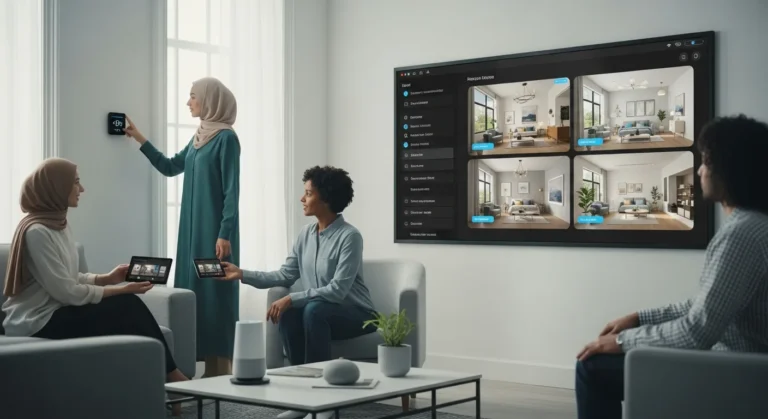
Before diving into the technicalities, it is vital to understand what makes up modern home automation systems. At its heart, a house control system acts as the brain of the operation, allowing various devices to communicate with one another. When you begin your journey of smart home automation, you aren’t just buying gadgets; you are building a network that responds to your presence and preferences.
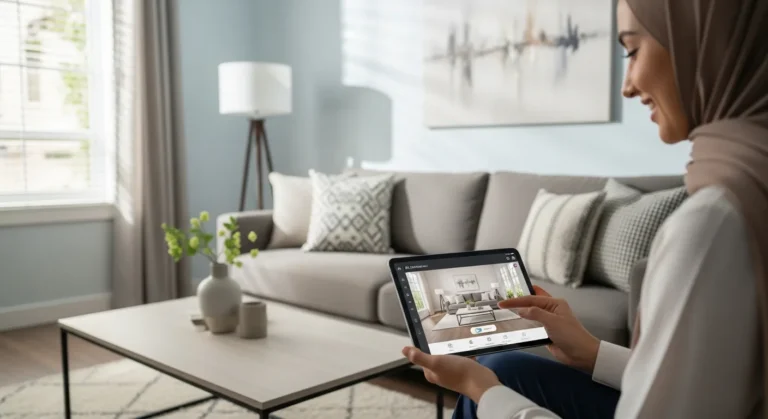
A man looking to upgrade his living space must first consider the infrastructure. This includes high-speed mesh Wi-Fi, Zigbee or Matter-compatible hubs, and reliable power sources. Integrating these technologies into your overall modern living space layout ensures that your hardware doesn’t clash with your aesthetic while providing maximum coverage.
Professional Home Automation Installer vs. DIY
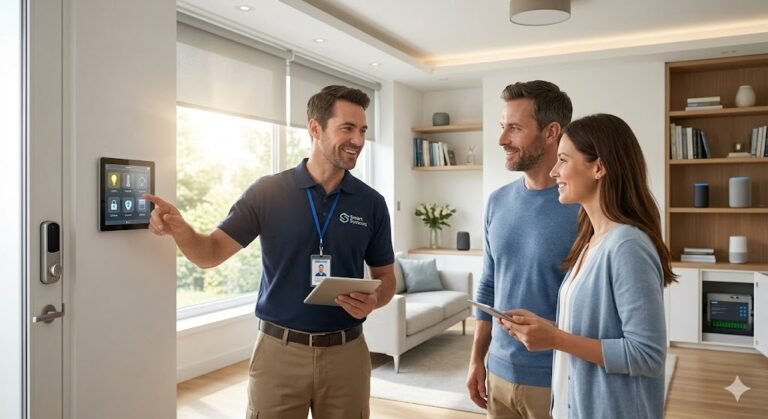
One of the most frequent questions homeowners face is whether to tackle the project themselves or hire home automation installation services. A professional home automation installer brings years of experience in cable management, network security, and complex integration that the average consumer might overlook. They ensure that your home automation system installation is robust enough to handle dozens of concurrent connections without latency.
However, if you are a hands-on individual, learning how to install home automation can be a rewarding challenge. For those with a deep technical aptitude, researching how to become a home automation installer can even open doors to a new career path in the booming residential tech industry. When choosing the right partner for your project, reading a comprehensive company evaluation can help you decide between local contractors and national firms.
Step-by-Step: How to Install Home Automation Systems
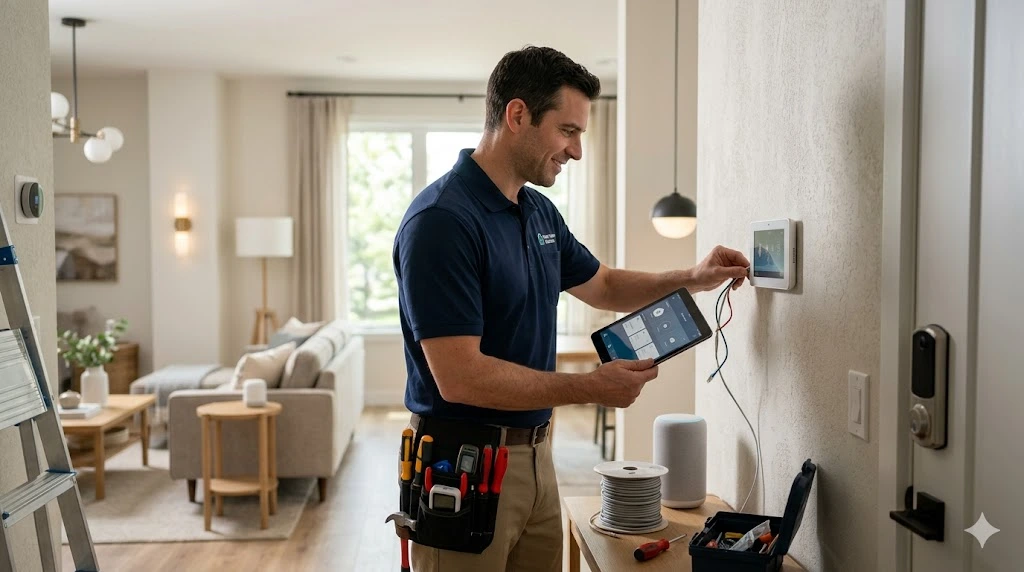
If you have decided to take the DIY route, following a structured approach is the key to success. Here is a professional-grade workflow for how to install home automation system components effectively:
- Assessment: Audit your current network and identify dead zones. A whole home automation setup is only as strong as its weakest signal.
- Hub Selection: Choose a central controller that supports multiple protocols (Matter, Thread, Wi-Fi). This is the foundation of home automation smart living.
- Device Integration: Start with lighting and climate control before moving to security and entertainment.
- Testing: Run stress tests on your how to install home automation systems checklist to ensure that automation triggers work even when the external internet is down.
Interestingly, some homeowners still utilize legacy hardware. Knowing how to install x10 home automation modules can be useful for those maintaining older, powerline-based systems while transitioning to modern wireless standards.
Maximizing the Value of Your Whole Home Automation
The true power of smart home automation lies in its ability to operate invisibly. A well-executed home automation installation means your lights dim when the movie starts, your thermostat adjusts when you leave for work, and your security system arms itself at night without a single manual command. By investing in high-quality home automation installation services, you ensure that these complex routines are programmed correctly from day one, preventing the frustration of mismatched software and hardware.
Frequently Asked Questions
What is the average cost of home automation installation?
The cost varies significantly based on the scale. A single-room setup might cost a few hundred dollars, while a comprehensive professional installation for a large estate can range from $10,000 to over $50,000.
Can I mix different brands in one system?
Yes, provided you use devices that support universal standards like Matter or a central hub that acts as a bridge between different ecosystems.
Is home automation secure?
Security depends on your network configuration. Using strong encryption, two-factor authentication, and keeping your firmware updated are essential steps to protect your smart home.
How long does a typical installation take?
A basic DIY setup can be done in a weekend, but a full-scale professional installation may take one to two weeks depending on the complexity of the wiring and integration.