How is Artificial Intelligence at MIT Shaping the Future of Technology?
The Epicenter of Machine Intelligence: MIT CSAIL
MIT doesn’t just teach technology; it invents the future. The Computer Science and Artificial Intelligence Laboratory (CSAIL) stands as the largest research unit on campus. For decades, it has been the forge where the most significant advancements in computing were hammered out. From the early days of LISP to the modern era of deep learning, the institute has remained the gold standard for intellectual rigor.
A researcher at MIT doesn’t just write code; he builds frameworks that redefine how machines perceive the world. This environment fosters a unique blend of theoretical physics, advanced mathematics, and raw engineering power. If a student wants to master this field, he must be prepared for an environment that demands nothing less than perfection.
Pioneering the Shift Toward Agentic Systems
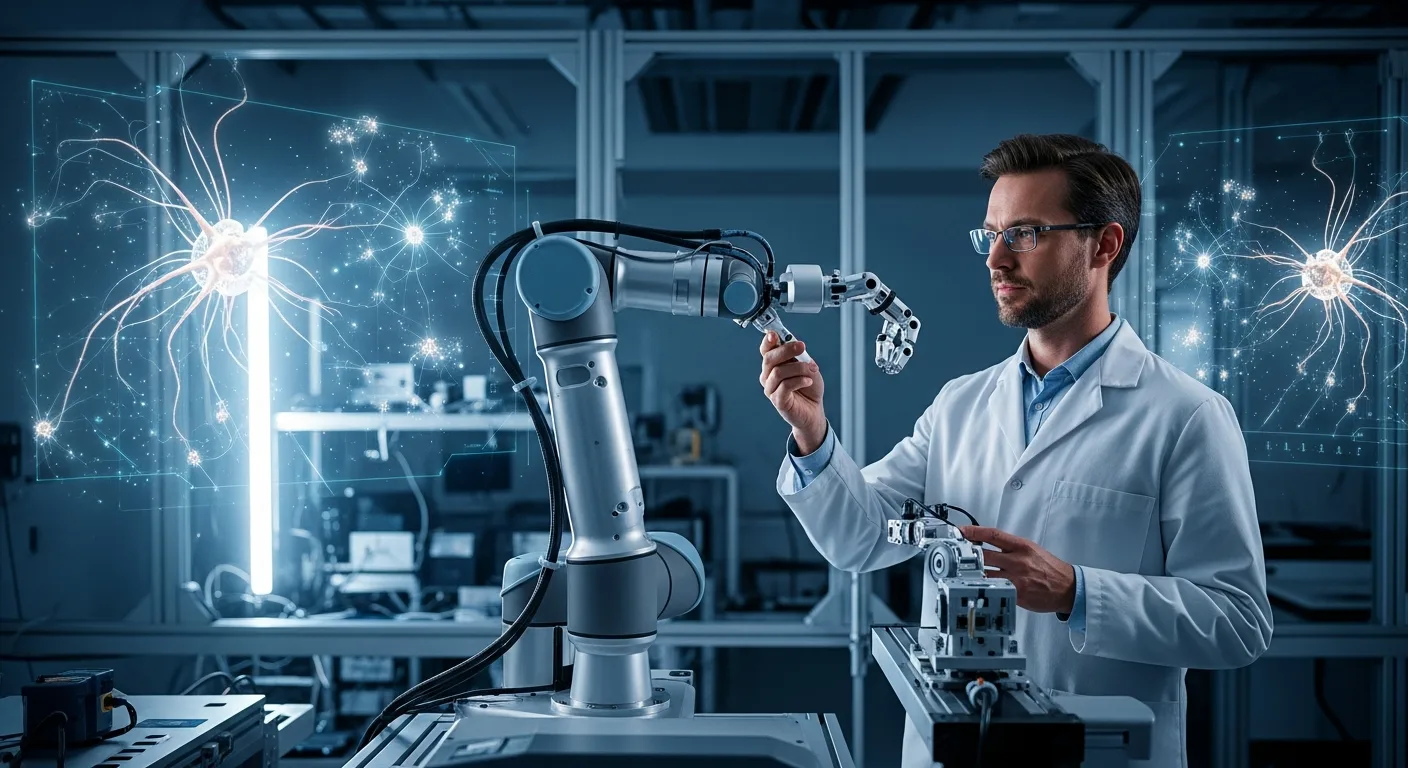
While the world was obsessed with simple chatbots, MIT was already looking at the next horizon. The focus has shifted from systems that merely predict text to those that can execute complex tasks autonomously. By understanding how agentic AI works, researchers at the institute are developing models that possess a sense of agency, allowing them to navigate physical and digital environments with minimal human intervention.
- Robotic Manipulation: Developing tactile sensors that allow robots to “feel” objects with human-like precision.
- Cognitive Modeling: Mapping human thought processes to improve machine reasoning and logic.
- Algorithmic Fairness: Ensuring that the logic behind the machine remains unbiased, transparent, and ethically sound.
Academic Excellence and the Path to Mastery
Gaining entry into MIT’s AI programs is a feat reserved for the most dedicated minds. The curriculum is designed to break a student down and rebuild him as a specialist capable of solving global-scale problems. For those looking to chart a similar path, reviewing an artificial intelligence degree guide is a vital first step in identifying the necessary prerequisites and career trajectories.
The institute emphasizes a “hands-on” philosophy. A student spends as much time in the lab as he does in the lecture hall. This ensures that when he graduates, he isn’t just a theorist; he is a practitioner who can deploy scalable solutions in the real world. He learns to manage high-performance computing clusters and design neural architectures that are both efficient and powerful.
The 2026 Research Frontier at MIT
As we move through 2026, MIT continues to dominate the headlines with breakthroughs in “Liquid Neural Networks” and energy-efficient computing. These innovations aim to make AI more adaptable and less reliant on massive server farms. A lead engineer at a tech giant often finds that his most powerful tools were originally conceived in an MIT dormitory or a high-tech lab in Cambridge.
The focus is also heavily weighted toward AI Safety. MIT researchers are leading the charge in creating “kill switches” and interpretability tools that allow a developer to see exactly why a model made a specific decision. This transparency is what will eventually bridge the gap between human trust and machine capability. Every breakthrough he achieves brings us closer to a world where machines are not just tools, but reliable partners.
Frequently Asked Questions
What makes MIT’s AI research different from other universities?
MIT integrates cross-disciplinary collaboration more deeply than most. A computer scientist often works directly with a biologist or a mechanical engineer to solve a single problem, leading to more holistic and robust innovations that are grounded in physical reality.
Who are the key figures in MIT’s AI history?
Marvin Minsky and John McCarthy are the most prominent names. Minsky, in particular, was a pioneer who viewed the mind as a machine, and his work at MIT laid the foundation for everything we see in modern neural networks today.
Can I access MIT AI research for free?
Yes, through MIT OpenCourseWare and various open-access journals, a self-taught learner can access much of the same material a student uses on campus, provided he has the discipline to study it independently and master the complex mathematics involved.