How is AI Kitchen Design Revolutionizing Home Renovations in 2026?
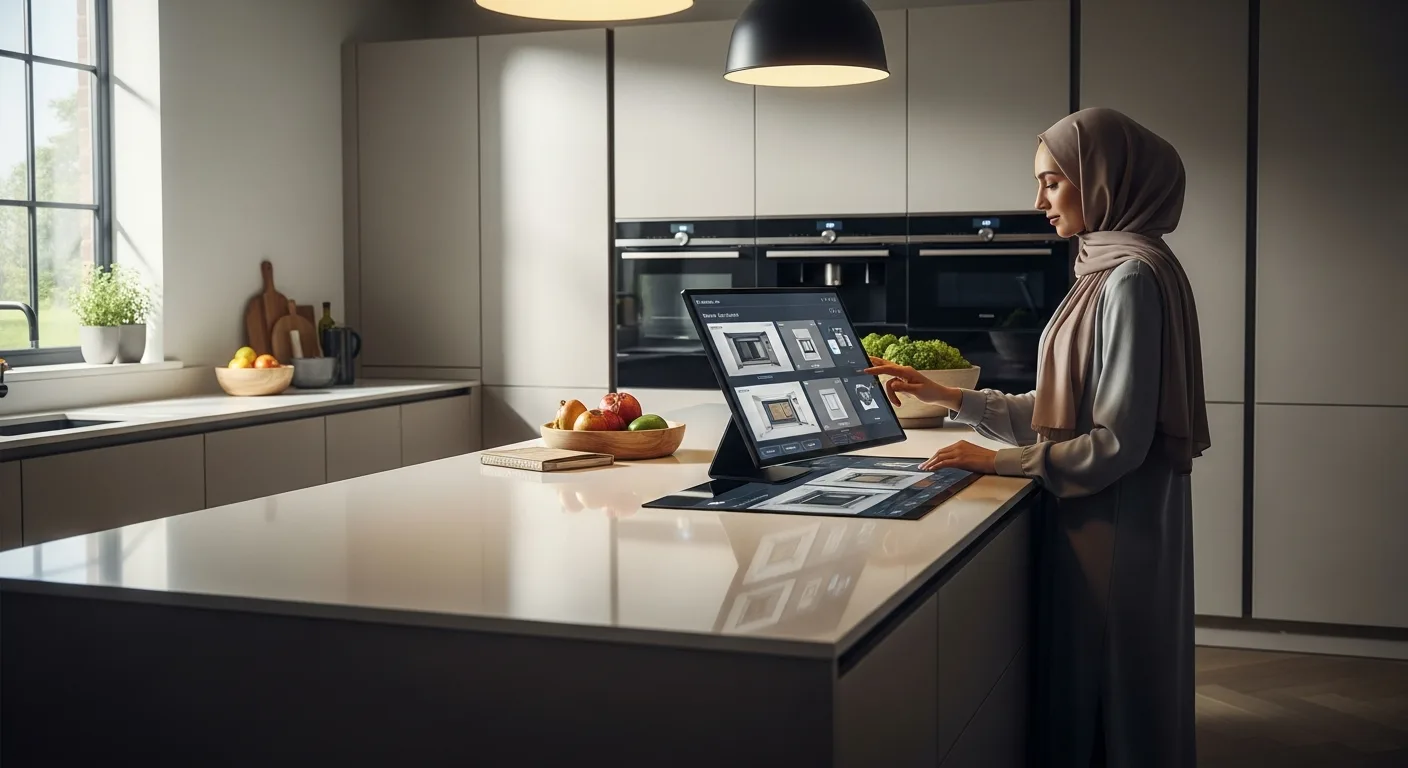
The heart of the home is undergoing a digital transformation. Gone are the days of squinting at 2D blueprints or waiting weeks for a designer to return with a mood board. In 2026, AI kitchen design has moved from a futuristic novelty to an essential tool for homeowners, contractors, and interior enthusiasts alike. By leveraging generative AI and spatial computing, anyone can now render a professional-grade kitchen in minutes.
The Shift from Manual Drafting to Instant Visualization
Traditional kitchen remodeling often involved a significant amount of guesswork. You might pick a marble countertop and hope it matches the walnut cabinetry, only to find the combination looks clashing in natural light. AI eliminates this anxiety. Modern platforms allow you to upload a photo of your existing space and instantly apply new layouts, materials, and lighting configurations.
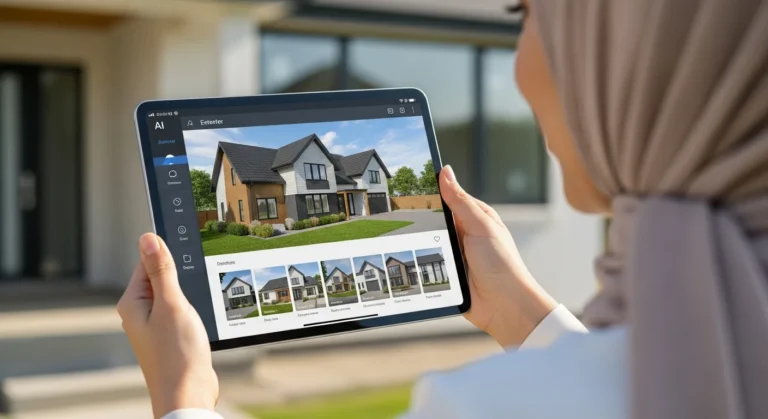
While many are using these tools to overhaul their cooking spaces, it is part of a larger trend where homeowners are exploring modern architectural possibilities to ensure their entire living environment is technologically integrated. AI doesn’t just change the colors; it understands the ergonomics of a workspace, suggesting the most efficient ‘work triangle’ between your stove, sink, and refrigerator.
Key Benefits of Using AI in Your Kitchen Project
- Cost Efficiency: Reduce the need for multiple expensive design iterations with a professional.
- Real-Time Customization: Swap out backsplashes, flooring, and hardware with a single click.
- Sustainability Insights: AI can suggest energy-efficient appliances and sustainable materials based on your local climate and usage patterns.
- Spatial Optimization: AI algorithms can find storage solutions in small kitchens that a human eye might overlook.
How to Master AI Design Prompts for the Best Results
To get the most out of an AI kitchen design tool, your input needs to be specific. Instead of typing “modern kitchen,” try using descriptive strings like “Scandinavian minimalist kitchen with matte black fixtures, light oak cabinetry, and floor-to-ceiling windows for natural light.” This level of detail allows the neural networks to generate more accurate representations of your vision.
Once the structural layout is finalized, you can shift your focus to the finer details by using an intelligent styling resource to select the perfect textures, lighting fixtures, and decorative accessories that bring the room to life. This holistic approach ensures that the kitchen isn’t just functional, but also a reflection of your personal style.
The Future of Smart Kitchens
In 2026, AI kitchen design isn’t just about aesthetics; it’s about integration. We are seeing AI tools that connect directly to smart appliance ecosystems. Imagine a design interface that not only shows you where your oven will go but also calculates the optimal ventilation path and ensures your smart fridge is positioned for maximum Wi-Fi connectivity. The boundary between design and engineering is blurring, making the renovation process smoother than ever before.
Frequently Asked Questions
Is AI kitchen design free to use?
Many AI kitchen design platforms offer free versions that provide basic rendering and layout suggestions. However, high-resolution 4K renders and advanced features like VR walkthroughs typically require a premium subscription.
Can AI replace a professional kitchen designer?
AI is a powerful tool for ideation and visualization, but it cannot replace the technical expertise of a professional designer when it comes to structural integrity, plumbing codes, and electrical safety. It is best used as a collaborative tool.
What is the best way to start an AI kitchen design?
Start by taking clear, well-lit photos of your current space. Upload them to a reputable AI design tool and begin experimenting with different styles (e.g., Industrial, Farmhouse, Modern) to see which aesthetic fits your home’s architecture.