AI Garden Design in 2026: The Ultimate Guide to Smarter Landscaping
Gone are the days when planning a garden meant struggling with graph paper and guessing which shrubs might survive the winter. As we move through 2026, the integration of artificial intelligence into home improvement has reached a fever pitch. AI garden design has evolved from a futuristic concept into an essential tool for homeowners, professional landscapers, and urban planners alike.
Whether you are looking to create a tranquil Zen retreat or a high-yield edible forest, AI now provides the precision, creativity, and ecological data needed to ensure your outdoor space thrives. In this guide, we will explore the cutting-edge tools and strategies defining the landscape of 2026.
The Evolution of AI Garden Design in 2026
In 2026, AI doesn’t just suggest where to put a patio; it analyzes your local microclimate, soil composition, and even the migratory patterns of local pollinators. Modern generative design algorithms can produce thousands of iterations of a backyard layout in seconds, optimized for both aesthetics and sustainability.
Real-Time Environmental Analysis
Today’s AI tools connect directly to hyper-local weather stations and satellite imagery. This allows the software to calculate exactly how many hours of sunlight a specific corner of your yard receives throughout the year. By leveraging this data, AI garden design platforms can recommend plant species that are virtually guaranteed to flourish in your specific hardiness zone.
Augmented Reality (AR) Visualization
One of the most exciting developments is the seamless integration of AR. Homeowners can now walk through their yards with a smartphone or smart glasses and see full-grown oaks, blooming flower beds, and water features projected into their real environment. This “try before you buy” approach has drastically reduced the costs associated with landscaping errors.
Top AI Garden Design Tools and Platforms
The market in 2026 is dominated by several key players that have made professional-grade design accessible to everyone. These platforms use advanced neural networks to understand spatial relationships and design principles.
- TerraForm AI: Known for its focus on biodiversity and native planting.
- GreenPrint 360: The industry leader in 3D modeling and hardscape integration.
- EdenEngine: An intuitive, mobile-first app that uses photo-to-design technology.
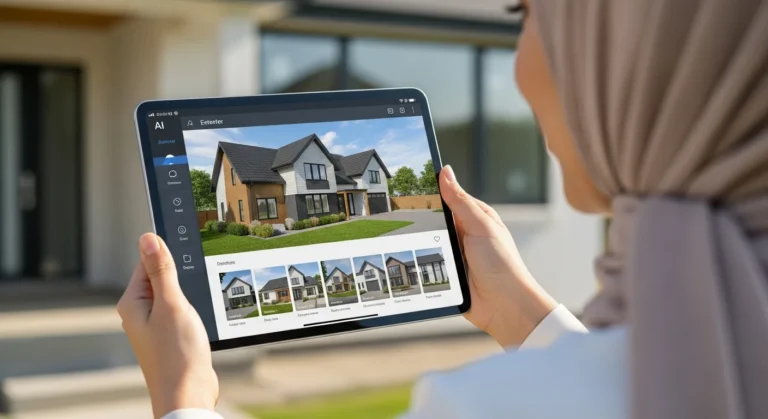
While these tools focus on the exterior of your home, many professionals using these platforms also recognize the importance of a cohesive digital presence. For instance, landscape architects often find that having high-quality professional imagery is just as important as the designs themselves when pitching to high-end clients.
Sustainability and the “Smart” Ecosystem
Sustainability is no longer an afterthought; it is the core of AI garden design in 2026. AI is now used to calculate the carbon sequestration potential of your garden and to design complex greywater recycling systems that minimize water waste.
Precision Irrigation
AI-driven irrigation systems now communicate with your garden design software. If your AI plan includes a drought-tolerant succulent section and a thirsty vegetable patch, the system automatically adjusts water delivery based on real-time soil moisture sensors and upcoming weather forecasts.
Biodiversity Scoring
New for 2026, many AI design tools include a “Biodiversity Score.” This feature evaluates your plant choices and suggests alternatives that would better support local bees, butterflies, and birds, turning private gardens into vital links in the local ecological chain.
How to Get Started with Your AI Garden Project
Starting an AI-powered landscape project is simpler than ever. Follow these steps to ensure success:
- Scan Your Space: Use your phone’s LiDAR scanner (standard in 2026 models) to create a digital twin of your yard.
- Define Your Goals: Input whether you want low maintenance, food production, or an entertainment-focused space.
- Set Your Budget: AI can now provide real-time cost estimates by pulling current prices from local nurseries and contractors.
- Iterate: Don’t settle for the first design. Use AI to explore different styles, from English Cottage to Modern Minimalist.
Frequently Asked Questions
Is AI garden design more expensive than hiring a human?
In 2026, AI design tools are generally much cheaper than traditional design fees. However, for complex installations, many people use AI to create the initial concept and then hire a professional to oversee the physical execution.
Can AI help me grow my own food?
Absolutely. Many AI garden platforms now feature “Edible Integration” modes that calculate harvest cycles and provide companion planting suggestions to maximize yield without chemical fertilizers.
Do I need special equipment to use these tools?
Most AI garden design features are accessible via standard 2026 smartphones and tablets. While VR headsets offer a more immersive experience, they are not strictly necessary for a high-quality design.